You’ve scrubbed a pet stain three times and it still smells. You’ve tried bleach on a food spill and the odor came back within a day. Regular cleaners mask the problem. Enzyme cleaners actually solve it.
An enzyme cleaner uses biological compounds to break down the organic matter causing the stain or smell. Instead of just wiping the surface, it dismantles the problem at a molecular level. That’s why enzyme cleaners outperform conventional sprays on the toughest organic messes: pet urine, blood, vomit, grease, and food waste.
This guide explains exactly how enzyme cleaners work, where they perform best, which surfaces to keep them away from, and how to pick the right formula for your situation.
Key Takeaways
- Enzyme cleaners use biological catalysts to break down organic matter into smaller, harmless molecules that bacteria can consume.
- Four enzyme types handle different stains: proteases (protein), lipases (fat/grease), amylases (starch/carbs), and uricases (uric acid in urine).
- Pet urine, blood, vomit, grease, and food stains are the strongest use cases for enzyme cleaners.
- Dwell time matters more than scrubbing — most enzyme cleaners need 10 to 30 minutes of contact to work.
- Avoid enzyme cleaners on natural stone, wool, silk, and unfinished wood — the biology that breaks down organic matter can damage natural materials.
- Temperature and pH affect performance — most enzyme cleaners work best between 55°F and 95°F (13°C to 35°C).
What Exactly Is an Enzyme Cleaner?

Quick Answer: An enzyme cleaner is a cleaning product that contains biological enzymes — natural proteins that speed up chemical reactions. These enzymes break organic stains and odors into tiny molecules, eliminating the source rather than just covering it up.
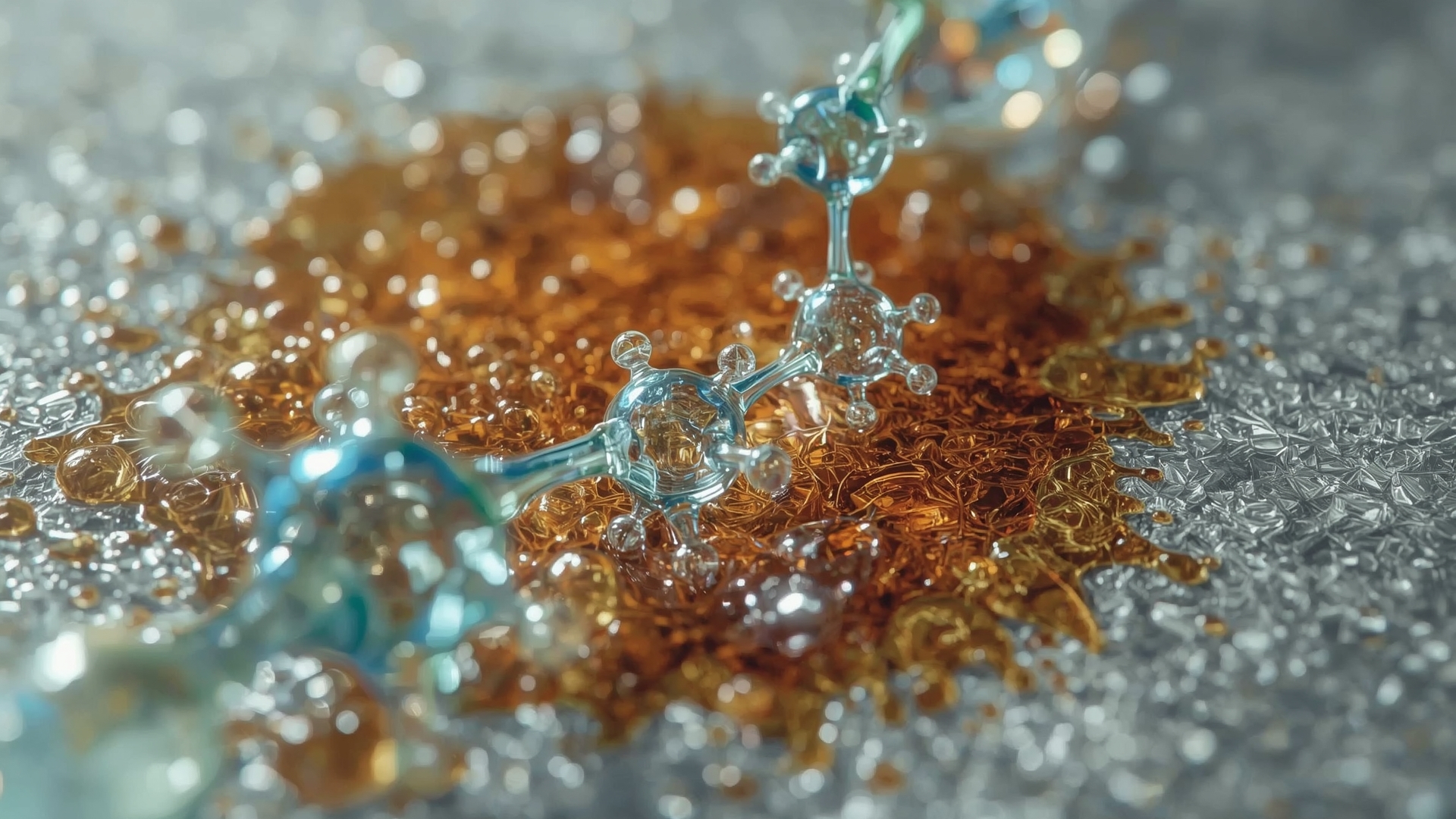
Enzymes are proteins that act as catalysts. A catalyst makes a chemical reaction happen faster without being used up in the process. In cleaning, enzymes target specific types of organic molecules and break them apart into smaller pieces.
Those smaller pieces become food for beneficial bacteria, which many enzyme cleaners also contain. The bacteria consume the broken-down molecules and produce carbon dioxide and water as byproducts. The result: the organic matter is gone, not just hidden.
This process is called bioremediation — using living organisms or their byproducts to neutralize a contaminating substance. It’s the same principle used in wastewater treatment plants, just scaled down to a spray bottle.
How Are Enzyme Cleaners Different from Regular Cleaners?
Standard household cleaners work through chemical reactions. Bleach oxidizes (destroys) color molecules. Surfactants in dish soap surround grease and lift it from surfaces. These methods can remove or mask a stain, but they don’t eliminate the underlying organic compounds.
Enzyme cleaners work biologically. They don’t just move the problem — they consume it. That’s why a pet urine smell can return after using a regular cleaner: the uric acid crystals are still in the fibers. An enzyme cleaner with uricase dissolves those crystals.
What Are the Four Types of Enzymes in Cleaners?
Quick Answer: The four enzyme types in most cleaners are proteases (break down protein), lipases (break down fats and oils), amylases (break down starches and carbohydrates), and uricases (break down uric acid found in urine). Different stains need different enzymes.
| Enzyme Type | Target Substance | Common Stain Sources | Optimal pH Range | Optimal Temp Range |
|---|---|---|---|---|
| Protease | Proteins | Blood, vomit, feces, meat, eggs, dairy | 7.0 to 10.0 | 86°F to 140°F (30°C to 60°C) |
| Lipase | Fats and oils | Grease, cooking oil, body oil, butter | 7.0 to 9.0 | 77°F to 104°F (25°C to 40°C) |
| Amylase | Starches and carbohydrates | Pasta, bread, sauces, beer, cereal | 6.5 to 7.5 | 140°F to 158°F (60°C to 70°C) |
| Uricase (Urease) | Uric acid | Pet urine, human urine | 6.5 to 9.0 | 59°F to 95°F (15°C to 35°C) |
| Cellulase | Cellulose fibers | Grass stains, paper residue, cotton debris | 4.5 to 6.5 | 104°F to 122°F (40°C to 50°C) |
Most commercial enzyme cleaners use a multi-enzyme blend. This means a single product targets multiple types of organic stains at once. A broad-spectrum formula with protease, lipase, amylase, and uricase will handle the majority of household messes.
What Is a Multi-Enzyme Formula and Why Does It Matter?
Organic stains are rarely just one type of molecule. Pet urine contains water, urea, uric acid, proteins, and bacteria. Blood contains proteins, lipids, and iron compounds. A formula with only one enzyme type will break down part of the stain but leave the rest behind.
Multi-enzyme formulas attack all components simultaneously. This is why product labels that list multiple enzyme types typically outperform single-enzyme products on complex stains.
How Do Enzyme Cleaners Actually Break Down Organic Matter?
Quick Answer: Enzyme cleaners work in three stages. First, enzymes bind to organic molecules. Second, they break those molecules into smaller fragments. Third, beneficial bacteria consume the fragments. The entire process requires moisture, correct temperature, and enough contact time.
The process starts the moment the cleaner contacts the stain. Here’s what happens step by step:
- Enzyme-substrate binding: Each enzyme has an active site — a specific shape that fits a matching molecule type (the substrate). Protease binds to protein. Lipase binds to fat. This specificity is like a key fitting a lock.
- Catalytic breakdown: Once bound, the enzyme breaks the substrate molecule into smaller pieces called metabolites. The enzyme is not destroyed in this process — it moves on to the next molecule.
- Bacterial consumption: Beneficial bacteria present in the formula consume the metabolites. They produce carbon dioxide and water as they digest. This removes the organic matter entirely.
- Evaporation and drying: Once the organic matter is consumed, the remaining water evaporates. No residue, no returning odor.
This is why dwell time is the most important factor in enzyme cleaner performance. The bacteria and enzymes need time to work. Spraying and immediately wiping defeats the purpose entirely.
Why Does Temperature Affect Enzyme Cleaners?
Enzymes are proteins, and proteins are sensitive to temperature. Below about 55°F (13°C), enzyme activity slows dramatically. Above 140°F (60°C), most enzymes denature — meaning their shape breaks down and they stop working.
For best results, apply enzyme cleaners at room temperature. Never use boiling water to pre-treat a stain before applying an enzyme cleaner. Hot water sets protein stains like blood and denatures the enzymes you’re about to apply.
Why Does pH Affect Enzyme Cleaners?
Each enzyme works within a specific pH range. Most household enzyme cleaners are formulated near a neutral pH (6.5 to 8.5) to stay effective across multiple enzyme types. Mixing an enzyme cleaner with a highly acidic product (like vinegar) or a highly alkaline product (like bleach) will destroy the enzymes before they can work.
What Are the Best Use Cases for Enzyme Cleaners?

Quick Answer: Enzyme cleaners work best on organic stains and odors: pet urine, feces, vomit, blood, grease, food spills, and garbage odors. They outperform standard cleaners anywhere the smell keeps coming back after regular cleaning.
| Stain/Odor Type | Key Enzyme Needed | Surface Types | Recommended Dwell Time | Expected Outcome |
|---|---|---|---|---|
| Pet urine (fresh) | Uricase, Protease | Carpet, upholstery, concrete, tile | 10 to 30 minutes | Full odor elimination |
| Pet urine (dried/set) | Uricase, Protease, Amylase | Carpet, subflooring, grout | 30 to 60 minutes or overnight | Significant reduction; may need repeat |
| Vomit | Protease, Amylase, Lipase | Carpet, fabric, hard floors | 15 to 30 minutes | Stain and odor removal |
| Blood (fresh) | Protease | Fabric, carpet, tile | 10 to 20 minutes (cold water only) | Stain breakdown without setting |
| Cooking grease | Lipase | Kitchen surfaces, sealed tile, stainless steel | 5 to 15 minutes | Grease dissolution |
| Food waste/garbage odor | Protease, Amylase, Lipase | Bins, compost areas, drains | 10 to 20 minutes | Odor neutralization |
| Mold/mildew (organic root) | Cellulase, Protease | Grout, caulk, fabric | 20 to 45 minutes | Surface mold reduction |
Are Enzyme Cleaners Good for Pet Odors Specifically?
Yes — pet urine is one of the strongest use cases for enzyme cleaners. Cat and dog urine contains uric acid, which forms crystals as it dries. These crystals are nearly impossible to remove with regular cleaners. Humidity activates them, which is why a “clean” area can suddenly smell again on a humid day.
Uricase breaks uric acid into simpler compounds: allantoin, hydrogen peroxide, and carbon dioxide. These are water-soluble and odorless. Once the crystals are dissolved, the smell has no way to return.
Can Enzyme Cleaners Work on Drains and Septic Systems?
Yes, and this is one of the least-known uses. Enzyme drain treatments break down grease, hair, and food buildup inside pipes. They’re safer than chemical drain openers, which can corrode older pipes and harm septic tank bacteria.
For septic systems, enzyme-based treatments maintain the bacterial balance inside the tank. Chemical cleaners — especially bleach and antibacterial products — kill the beneficial bacteria that make septic systems function. Regular enzyme treatments support the system rather than disrupting it.
What Surfaces Should You Avoid Using Enzyme Cleaners On?
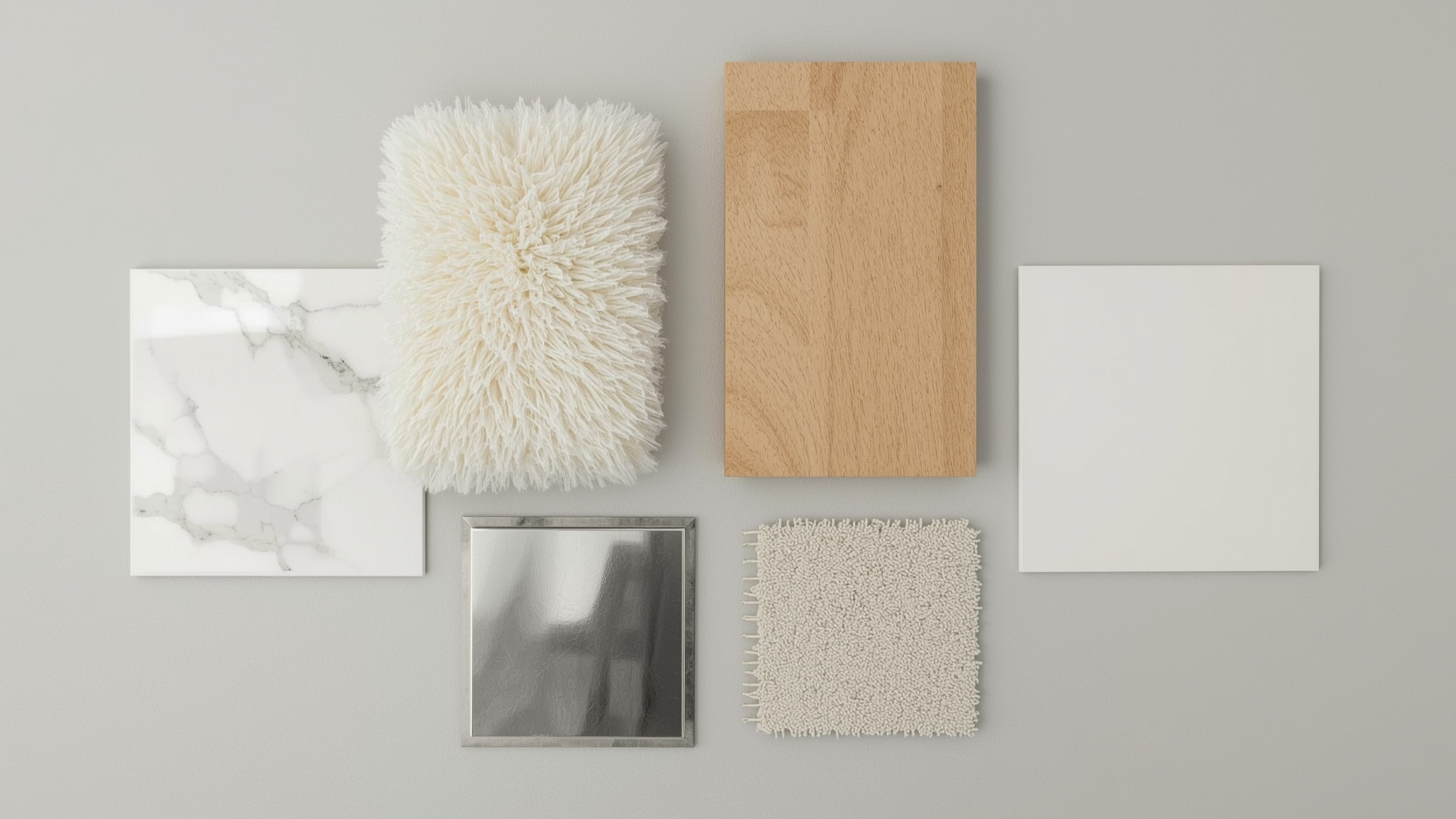
Quick Answer: Avoid enzyme cleaners on natural stone like marble and granite, wool and silk fabrics, unfinished or unsealed wood, and any surface where the product can’t be rinsed away. The enzymes target organic material, which includes natural fibers and porous stone binders.
| Surface Type | Safe to Use? | Risk if Used | Alternative |
|---|---|---|---|
| Sealed ceramic tile | Yes | None significant | N/A |
| Concrete (sealed) | Yes | None significant | N/A |
| Synthetic carpet (nylon, polyester) | Yes | None significant | N/A |
| Polished marble | No | Etching, dulling of surface | pH-neutral stone cleaner |
| Granite (unsealed) | No | Penetration and staining | Sealed stone cleaner |
| Wool carpet or rugs | No | Fiber degradation, texture damage | Wool-safe cleaner |
| Silk fabric | No | Protein fiber breakdown | Dry cleaning or silk-safe detergent |
| Unfinished or unsealed wood | No | Moisture damage, fiber breakdown | Wood-specific cleaner |
| Leather | No | Protein breakdown, cracking | Leather conditioner/cleaner |
| Stainless steel | Yes (short dwell time) | Minimal if rinsed promptly | N/A |
The core reason enzyme cleaners damage some natural materials is simple: those materials are made of organic molecules. Wool and silk are protein fibers. Marble contains organic binders. Leather is treated animal hide. Protease enzymes can’t distinguish between the protein in your pet’s urine and the protein fibers in a wool rug.
What Happens If You Use an Enzyme Cleaner on Wool?
Protease enzymes in the cleaner attack the keratin proteins that make up wool fibers. Over time — or with repeated application — the fibers weaken, felt, and break down. The rug or garment loses its texture and structural integrity. This damage is not reversible.
If you have a wool rug with a pet urine problem, use a product specifically labeled as wool-safe. These formulas skip protease or use a concentration too low to damage wool fibers at normal dwell times.
How Do You Use an Enzyme Cleaner Correctly?
Quick Answer: Blot up as much of the stain as possible first, apply the enzyme cleaner until the area is visibly saturated, let it sit for 10 to 30 minutes (longer for dried stains), then blot dry. Never scrub, never use heat, and never combine with bleach or vinegar.
Step-by-Step Application Guide
- Remove solid or liquid material first. Blot up urine with a clean cloth. Scrape up solid matter with a flat tool. The less raw material present, the more effective the enzyme cleaner will be on what remains.
- Test on a hidden area. Apply a small amount to an inconspicuous spot and wait 10 minutes. Check for color change or texture damage before applying broadly.
- Saturate the affected area. Apply enough cleaner that it penetrates as deep as the stain. For carpet, this means soaking through the pile to the backing and potentially the underpad.
- Cover and let dwell. Place a damp cloth or plastic wrap over the area to slow evaporation. Let the cleaner sit for the recommended time — minimum 10 minutes for fresh stains, up to several hours for old or deeply set stains.
- Blot dry. Press clean cloths into the area to absorb moisture. Do not scrub — scrubbing spreads the stain and disrupts the enzymatic process.
- Allow full drying. Let the area air dry completely. Enzymes continue working as long as moisture is present. Using a fan speeds the process without damaging enzyme activity.
- Repeat if necessary. Old or deeply penetrated stains may need two or three applications. If you can still smell the odor after drying, the organic matter hasn’t been fully eliminated yet.
Why Can’t You Mix Enzyme Cleaners with Bleach or Vinegar?
Bleach is a powerful oxidizer. It destroys the protein structure of enzymes within seconds of contact. There’s nothing left to do the biological work.
Vinegar is acidic (pH around 2.4). Most enzyme cleaners need a near-neutral pH to function. Vinegar drops the pH far outside the enzyme’s working range. You’re left with a diluted, inactive product that does very little.
Clean the surface with water only before applying an enzyme cleaner. If you’ve already used another cleaner, rinse the area thoroughly and let it dry before applying the enzyme product.
How Do You Choose the Right Enzyme Cleaner?
Quick Answer: Match the enzyme types on the label to your stain source. For pet urine, look for uricase and protease. For kitchen grease, look for lipase. For general multi-purpose use, choose a broad-spectrum formula listing at least three enzyme types. Avoid products that don’t list specific enzymes.
| Selection Factor | What to Look For | Red Flags |
|---|---|---|
| Enzyme types listed | Protease, lipase, amylase, uricase named explicitly | “Enzyme blend” with no specifics |
| Live bacteria content | Colony-forming units (CFU) listed (e.g., 1 billion CFU/oz) | No mention of bacteria at all |
| pH level | 6.5 to 8.5 for broad-spectrum use | pH below 5 or above 10 |
| Concentration/dilution | Concentrate options for cost efficiency; dilution ratio provided | No dilution information |
| Surface compatibility | Clearly lists safe surfaces | “Safe for all surfaces” without specifics |
| Shelf life | 12 to 24 months; live bacteria need storage guidelines | No expiration or storage guidance |
Do Enzyme Cleaners Expire?
Yes. Enzyme cleaners contain live bacteria and active proteins — both degrade over time. Most products have a shelf life of 12 to 24 months from the manufacture date. Heat and direct sunlight accelerate this degradation.
Store enzyme cleaners in a cool, dark location below 80°F (27°C). Never freeze them — freezing kills the bacteria. An expired or improperly stored enzyme cleaner may still have a scent but will lose most of its effectiveness.
Are Enzyme Cleaners Safe Around Pets and Children?
Most enzyme cleaners are formulated to be non-toxic after they’ve dried. The enzymes and bacteria used are generally GRAS (Generally Recognized as Safe) organisms — the same type of bacteria used in food fermentation and wastewater treatment.
Keep pets and children away from the treated area while it’s wet. Once the area has dried completely, it’s generally safe for contact. Always check the product label for specific safety guidance — some formulas include added fragrances or preservatives that require additional precautions.
How Long Do Enzyme Cleaners Take to Work?
Quick Answer: Fresh stains need 10 to 30 minutes of contact time. Dried or set stains need 30 minutes to several hours — sometimes overnight. The older and deeper the stain, the longer the enzyme cleaner needs to work. Repeat applications are normal for severe cases.
One of the most common mistakes is treating enzyme cleaners like regular sprays — spritz and wipe. That approach gives the enzymes no time to do anything. You’re essentially just diluting the stain with water.
For old cat urine in carpet, professional restoration specialists often recommend soaking the area, covering it with plastic wrap, and letting it sit for 8 to 12 hours. The bacteria continue multiplying and consuming organic matter throughout that window.
What If the Smell Comes Back After the Area Dries?
If the odor returns after drying, the enzyme cleaner didn’t reach all the organic material. This is most common with carpet stains that have soaked through to the padding or the subfloor.
The fix is saturation, not concentration. Apply more product to ensure it penetrates to the same depth as the original stain. For urine that has reached the subfloor, you may need to pull back the carpet and treat both the padding and the wood beneath. In severe cases, replacing the padding is more effective than treating it.
Are There Any Limitations to Enzyme Cleaners?
Quick Answer: Enzyme cleaners don’t disinfect, don’t work well on non-organic stains like rust or mineral deposits, and lose effectiveness on surfaces treated with antibacterial products. They also work slowly compared to chemical cleaners — which is a tradeoff for safety and long-term results.
Do Enzyme Cleaners Kill Bacteria and Viruses?
No. Enzyme cleaners are not disinfectants. They remove organic matter and odor, but they don’t kill pathogens. If you need to sanitize a surface after a biological spill, use the enzyme cleaner first to eliminate the organic material, then follow with an EPA-registered disinfectant once the area has dried.
Using a disinfectant first then an enzyme cleaner second defeats the purpose. Many disinfectants — especially bleach-based ones — will inactivate the enzymes completely.
What Stains Won’t Enzyme Cleaners Remove?
Enzyme cleaners only break down organic molecules. They have no effect on:
- Rust stains (iron oxide, an inorganic mineral deposit)
- Hard water mineral buildup (calcium carbonate, magnesium compounds)
- Paint or ink (synthetic polymers)
- Dye transfer from fabrics
- Chemical burns or bleach stains
For these problems, you need chemically appropriate cleaners — acid-based products for mineral deposits, solvent-based products for paint and ink.
Frequently Asked Questions
Can I use an enzyme cleaner on my washing machine to remove odors?
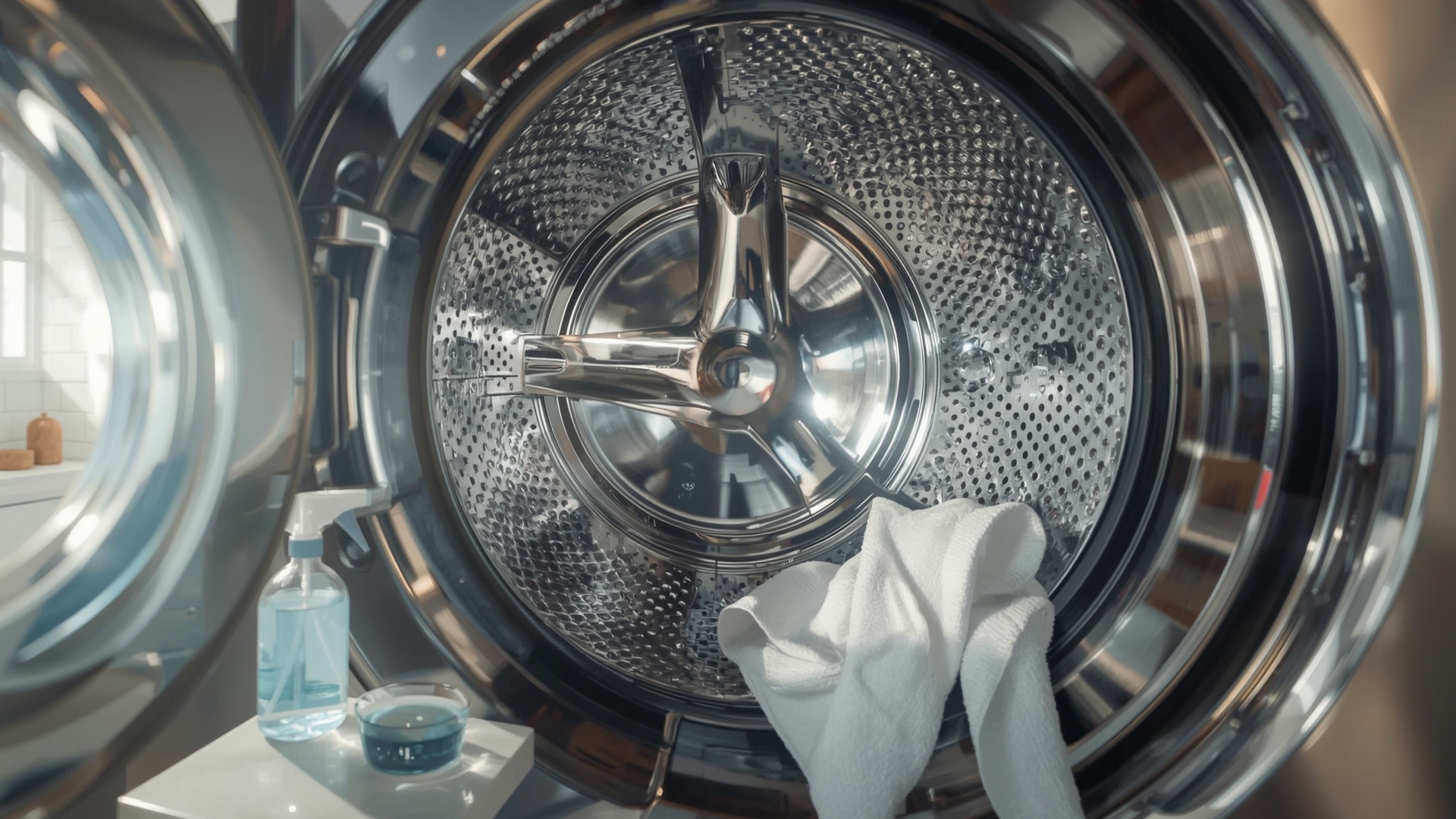
Yes. Enzyme cleaners work well on the rubber seal and drum of front-loading washing machines, where mold and mildew (organic matter) cause musty smells. Apply the cleaner to the seal, let it sit for 15 to 20 minutes, then wipe clean and run a rinse cycle. Use a formula without added dyes that could transfer to laundry.
Will an enzyme cleaner remove the smell of skunk spray from a dog?
Partially. Skunk spray contains thiols — sulfur-based compounds that are organic but require oxidation, not just enzymatic breakdown, for full neutralization. Enzyme cleaners reduce the odor but rarely eliminate it completely. A hydrogen peroxide and baking soda mixture is more effective on skunk odor specifically.
Can enzyme cleaners go down the drain safely?
Yes. Enzyme cleaners are biodegradable and generally safe for drain systems and municipal wastewater treatment. For septic systems, they are actually beneficial — the bacteria in enzyme cleaners support the biological processes inside the septic tank. Avoid enzyme products with high concentrations of synthetic fragrances if septic health is your priority.
How is an enzyme cleaner different from a probiotic cleaner?
Probiotic cleaners contain live beneficial bacteria as their primary active ingredient. Enzyme cleaners contain enzymes, which may or may not come with live bacteria. Many modern enzyme cleaners are also probiotic cleaners — they include both enzymes for immediate breakdown and live bacteria to continue the process. Check the label for CFU (colony-forming unit) counts to confirm live bacteria are present.
Can you use an enzyme cleaner on outdoor surfaces like patios or driveways?
Yes, on sealed concrete and most sealed pavers. Enzyme cleaners are effective on organic buildup like algae, pet waste, and food residue on outdoor surfaces. Avoid using them on natural limestone, sandstone, or unsealed concrete — moisture absorption and enzymatic activity can cause surface pitting or discoloration over time.
Do enzyme cleaners work in cold weather or during winter?
Performance drops significantly below 55°F (13°C). Enzyme activity slows, and bacterial metabolism nearly stops in cold conditions. For outdoor use in winter, bring the treated surface temperature up if possible, or use the product indoors at room temperature. Products stored in a cold garage or shed may also have reduced effectiveness even when brought to room temperature if bacteria have already become dormant.